
Sperax Walking Vibration Pad with App Review: At a Glance
| Functionality: |  (3.5 / 5) (3.5 / 5) |
| Ease of Use: |  (4.5 / 5) (4.5 / 5) |
| Value for Money: |  (4.0 / 5) (4.0 / 5) |
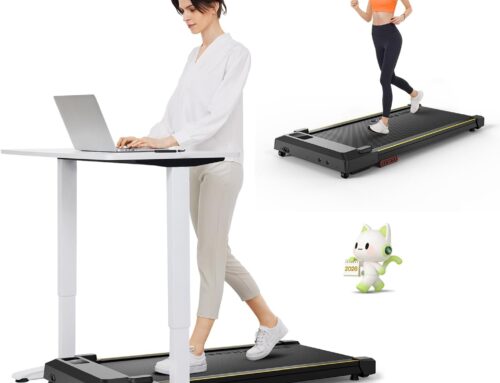
If you are looking for something more compact than a normal treadmill, but more versatile than a basic walking pad, the Sperax Walking Vibration Pad with App is an interesting option. It is clearly aimed at home users who want a machine that can fit into a small space, slide under furniture when not in use, and still offer more than just slow desk walking. Current Sperax listings present this type of product as a multi-function walking pad that combines walking mode with vibration features, app connectivity, remote control, and a slim, portable design for home or office use.
That positioning makes sense because there is a growing group of buyers who do not really want a full treadmill. They may not have the room for one, they may not want the weight or hassle of a folding running machine, or they may simply want something that supports low-impact movement during the day. The Sperax is built for that sort of buyer. It is not trying to be a serious running treadmill. Instead, it is designed as a compact cardio and recovery machine that can support light walking sessions, under-desk use, and a vibration mode that Sperax markets as helpful for circulation, relaxation, and recovery.
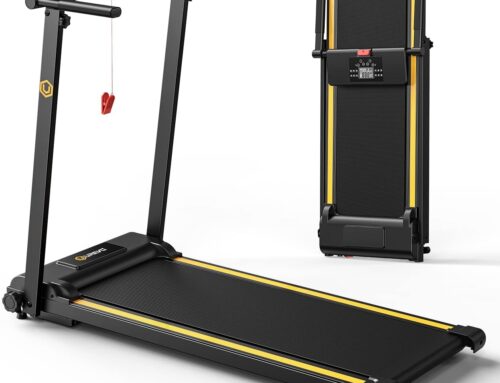
That is an important distinction. Many people will see the word “treadmill” in the title and assume this is a direct alternative to a traditional home running machine. It really is not. The Sperax Walking Vibration Pad is much closer to the walking-pad end of the market, with some added extras layered on top. If you judge it by those standards, it becomes easier to understand. The goal here is convenience, compactness, and low-intensity usability, not full-scale running performance.
What this machine is trying to offer
The biggest appeal of the Sperax is flexibility within a very small footprint. Current UK listings describe it as a 3-in-1 or 4-in-1 machine, combining walking, under-desk use, and vibration modes, with some versions also adding incline. The basic idea is simple: you can use it for light daily movement, short indoor walking sessions, and then switch to vibration mode afterwards if that suits your routine.
That gives it a different role from many other fitness machines. A standard treadmill is usually about a dedicated workout. A basic walking pad is often about squeezing movement into your day while working. The Sperax is trying to blend those two ideas with a third one — recovery-style vibration. That makes it feel more lifestyle-focused than fitness-focused in the traditional sense. It is the kind of machine that may appeal to someone who wants to walk while working from home, do a little extra cardio in the evening, and then use vibration mode for a few minutes afterwards.
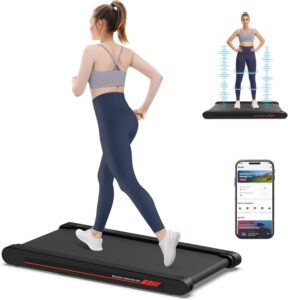
The app element matters too. Current listings highlight Bluetooth app connection, workout tracking, and the ability to monitor time, speed, distance, and calories. That is useful because products in this category often rely on simplicity, and app support is one of the easier ways to add value without making the hardware bulky or complicated.
Walking performance and speed range
This is very much a low-speed machine first. One of the clearest current Sperax listings gives a speed range of 0.3–6 km/h, while another incline-oriented Sperax listing shows 0.5–12 km/h for a different walking pad variant. For the “Walking Vibration Pad with App” style of product specifically, the 0.3–6 km/h range is the better fit for how the model is being marketed. That means the core use case is walking rather than proper jogging or running.
That will either be a strength or a weakness depending on what you want. For under-desk use, casual walking, and gentle daily movement, 6 km/h is absolutely fine. In fact, it is often preferable, because it keeps the machine stable, manageable, and suitable for smaller spaces. If your goal is to keep moving during the working day, increase step count, or add low-impact activity without needing a full treadmill, this speed range is enough.
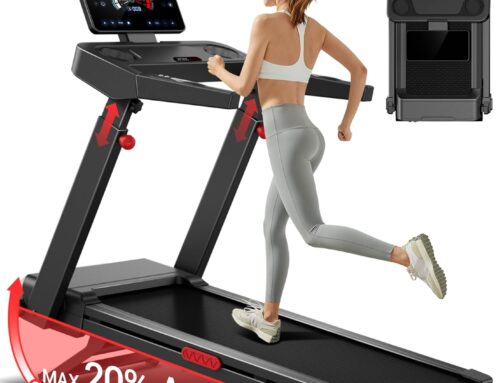
Where the limitation appears is obvious: this is not really a runner’s machine. Even if some related Sperax variants stretch beyond that speed, the walking vibration pad concept is not about sustained jogging or harder sessions. People expecting a compact substitute for a proper treadmill may end up disappointed. This is better viewed as a walking and light-movement machine with a few extras, not a training treadmill.
Vibration mode and how useful it really is
The vibration function is the feature that makes this model stand out from the many ordinary walking pads on the market. Sperax describes the vibration element as useful for muscle recovery, circulation, and fatigue relief, with current listings mentioning four vibration levels or therapeutic vibration functions depending on the model.
In practical terms, this is probably best seen as a convenience feature rather than a reason on its own to buy the machine. Some users will enjoy it, particularly if they like the feeling of a short post-walk recovery session or simply want the machine to do more than one job. But it would be a mistake to treat it as a serious substitute for structured recovery work, mobility training, or higher-end fitness equipment. The real value of the vibration mode is that it adds something different without taking away from the product’s compactness.
That said, from an everyday-user point of view, it is an appealing extra. The walking pad market can be very repetitive, with lots of near-identical products offering little more than low-speed walking and a remote. The vibration feature at least gives the Sperax a more distinctive angle.
App, controls and ease of use
Ease of use looks like one of the stronger parts of the package. Current listings consistently mention app sync, Bluetooth control, LED display tracking, and remote-control operation. For a product in this category, that is exactly what most buyers want. It means you should be able to get started quickly, control the machine without fuss, and keep an eye on the basic workout data that matters most.
The app support is a sensible addition rather than a gimmick. It helps the Sperax feel more modern, and it should appeal to users who like checking progress over time. That is especially relevant for step-count-focused buyers or people trying to build a daily walking habit. A full treadmill console often feels unnecessary on a machine this size, so app tracking is arguably the right solution.
The lightweight, slim construction also helps. Sperax’s own P1 page describes the model as just 8.9 cm thick, while Amazon listings for the walking vibration versions place the product at around 10 kg in weight. That makes it much easier to move and store than a standard treadmill, which is one of the major reasons to choose this kind of machine in the first place.
Size, portability and home practicality
This is where the Sperax makes the most sense. It is designed to disappear into the home more easily than a full treadmill. Current listings repeatedly emphasise that it can slide under a desk, bed, or sofa and suit apartments, living rooms, dorm rooms, and home offices. That is not a minor selling point — it is really the centre of the product.
A lot of buyers like the idea of a treadmill but never follow through because they know a normal machine will dominate the room. A walking vibration pad is different. It is closer to an accessory than a piece of gym equipment. You can use it for short bursts of movement, put it away, and carry on with the rest of the day. That low-friction style of ownership is a big part of the appeal.
It also fits the reality of modern work-from-home life quite well. People are increasingly interested in getting more movement into the day without carving out a full hour for exercise. A machine like this supports that mindset better than a traditional treadmill does. You are not being asked to build a home gym. You are simply adding an easy way to move more.
Who this machine suits best
The Sperax Walking Vibration Pad with App suits buyers who want convenient, low-impact indoor movement. It is a good fit for home-office users, apartment dwellers, beginners, and people whose main goal is to walk more rather than train harder. It also makes sense for buyers who value portability and want something far easier to live with than a folding treadmill.
It is also likely to appeal to people who like the idea of “wellness” equipment rather than purely fitness equipment. The blend of walking, vibration, app tracking, and ultra-slim design gives it a broader lifestyle feel. If your aim is to build healthier daily habits, support circulation, or stay more active while working from home, this is the sort of product that fits that role well.
It is less suitable for anyone wanting meaningful jogging or running. It is also not the best choice for buyers who prefer simple, proven hardware and are sceptical of marketplace-style multi-function promises. Some of the customer reviews on the UK Amazon listing mention issues such as belt slipping, stuttering, error codes, or durability concerns, so it would be sensible to approach it as a convenience product rather than a robust long-term substitute for a proper treadmill.
What I like about it
The strongest thing about the Sperax is that it knows its lane. It is not trying to pass itself off as a serious running treadmill. It is a slim, practical, app-connected walking pad with a few extra features, and that is a sensible product idea.
I also like the portability. The low-profile design is exactly what makes this category useful. If the machine is easy to slide away and easy to use on impulse, you are more likely to keep using it.
The vibration mode is also a nice differentiator. It will not matter equally to everyone, but it gives the product a clearer identity than a lot of plain walking pads.
Potential drawbacks
The biggest drawback is that the performance ceiling is low. This is a walking machine first, and buyers expecting a proper treadmill experience may find it too limited.
Another issue is that the product naming and variants can be a little messy. There are multiple Sperax listings with overlapping titles, slightly different features, and different speed/incline combinations, so buyers need to check carefully what they are actually getting.
Finally, the Amazon reviews add a note of caution. While the average rating is reasonably strong, there are still several recent negative reviews mentioning faults or reliability concerns. That does not prove the whole product line is problematic, but it does suggest some buyers should keep expectations realistic.
Final verdict
The Sperax Walking Vibration Pad with App looks like a decent fit for buyers who want a compact, low-speed walking machine that is easy to store and easy to use in a home or office setting. Its main strengths are convenience, portability, app-based tracking, and the added vibration mode that helps it stand out in a crowded market of under-desk walking pads.
It is best viewed as a lifestyle-friendly movement product rather than a serious fitness treadmill. If your main goals are to walk more, stay active while working from home, and have something that can disappear under the bed afterwards, it makes a lot of sense. If you want a machine for jogging, regular training progression, or a more robust long-term treadmill experience, it is probably too limited.
For the right buyer, though, the Sperax does have a clear role. It offers a simple way to add more movement to the day without needing a full treadmill setup, and that alone will make it appealing to a lot of people.
Pros and Cons
Very space-saving
App tracking included
Vibration mode included
Easy to store
Walking speeds only
Not runner-focused